Unlocking Efficiency: A Beginner's Guide to Intelligent Automation in Supply Chain
Intelligent Automation in Supply Chain is transforming traditional logistics frameworks into agile, efficient structures capable of meeting modern demands. This technology integrates advanced tools like AI, machine learning, and robotics to streamline processes, enhance visibility, and reduce costs.
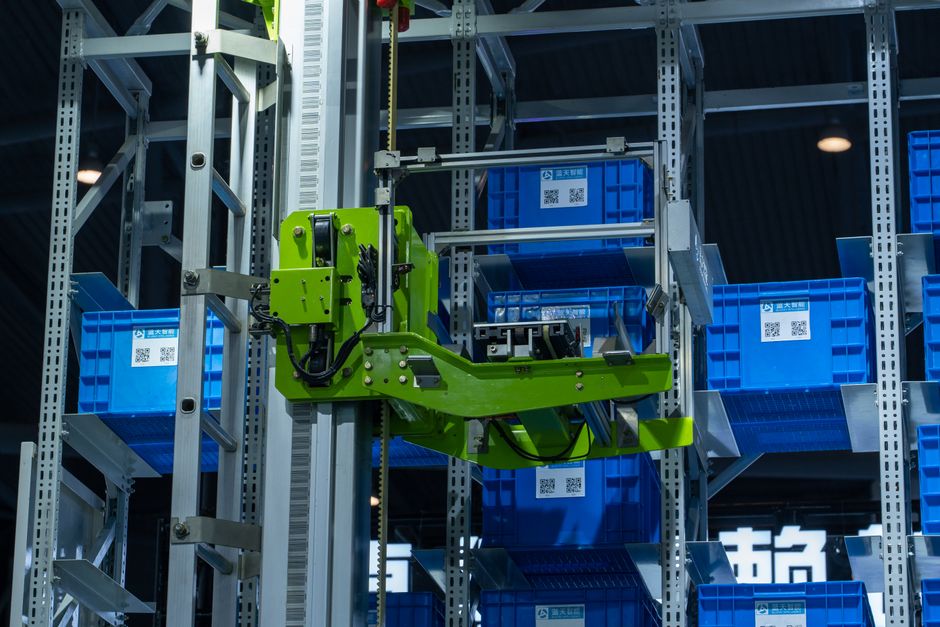
For organizations aiming to enhance their logistics operations, understanding how to leverage Intelligent Automation in Supply Chain is crucial. With increasing market volatility and evolving customer expectations, intelligent automation provides the capability to adapt swiftly and accurately—an essential element in today’s competitive landscape.
What is Intelligent Automation in Supply Chain?
Intelligent automation combines process automation with cognitive elements, enabling supply chain professionals to execute functions such as inventory optimization, demand planning, and order fulfillment at unprecedented speeds and accuracy. This synergy allows for real-time decision-making, ultimately improving operational efficiency and reducing SG&A costs.
Why Intelligent Automation Matters
In a world where customer demands are increasingly complex, traditional supply chain methods often fall short. Without real-time visibility into inventory levels or logistics operations, organizations may struggle to maintain OTIF metrics, leading to lost sales opportunities. Intelligent automation addresses these challenges by providing actionable insights derived from big data analytics, facilitating superior demand forecasting and collaborative planning.
Core Benefits of Implementing Intelligent Automation
- Increased visibility across the supply chain, enhancing stock control and reducing Days Inventory Outstanding (DIO).
- More accurate demand forecasting through integrated analytics and machine learning.
- Enhanced order fulfillment capabilities leading to improved customer satisfaction.
How to Get Started with Intelligent Automation
Transitioning to an intelligent automation framework isn't merely about adopting new technologies. It requires a cultural shift within the organization, fostering collaboration between departments. Start with a thorough assessment of your existing supply chain processes. Identify specific areas where automation can have the most impact, whether it's in warehouse management, returns management, or transportation management.
Next, invest in platforms that promote AI solution development, allowing for the seamless integration of intelligent automation into your ongoing operations. Companies like SAP and Oracle are leading the way in this aspect, providing comprehensive tools that can link various functions across the supply chain.
Conclusion
Employing Autonomous Analytics Solution can significantly enhance the benefits of intelligent automation, enabling organizations to achieve a level of efficiency that sets them apart in a competitive market.


Comments
Post a Comment