Predictive Analytics for Retail: The Ultimate Resource Guide
The e-commerce landscape has transformed dramatically over the past decade, with retailers facing unprecedented pressure to optimize every touchpoint in the customer journey. Rising customer acquisition costs, intensifying competition from digital-first players, and the constant need to personalize experiences at scale have made data-driven decision-making not just advantageous but essential. Retailers today need sophisticated capabilities to forecast demand, optimize pricing strategies, and reduce churn rate while managing complex omnichannel inventory systems. The solution lies in harnessing advanced analytics to transform historical data into actionable intelligence that drives revenue growth and operational efficiency.
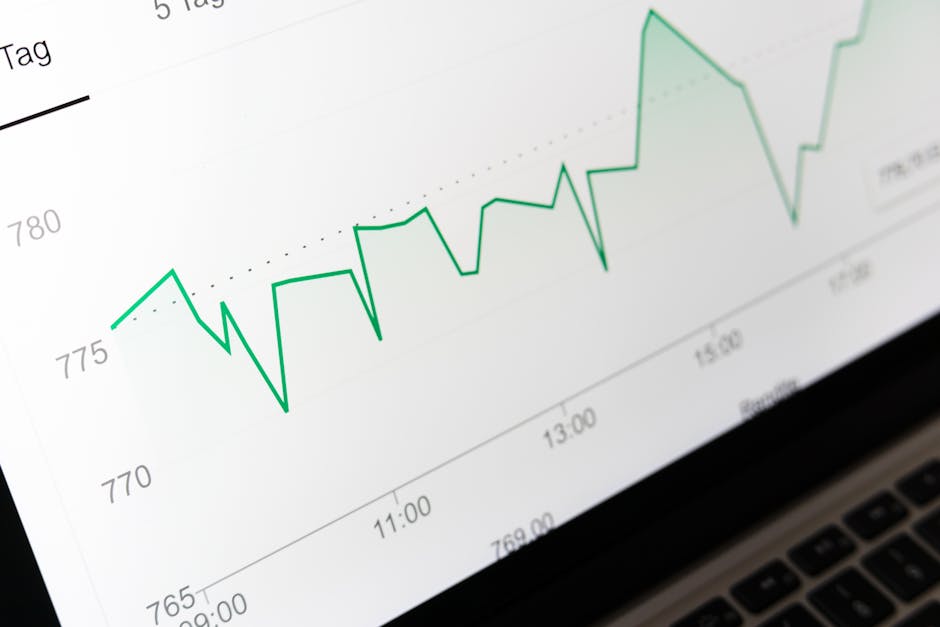
Whether you're managing SKU optimization for a CPG brand, deploying product recommendation engines, or refining your cart abandonment recovery strategies, Predictive Analytics for Retail has become the cornerstone of competitive advantage. This comprehensive resource guide brings together the essential tools, frameworks, communities, and learning materials that e-commerce practitioners need to build and scale predictive capabilities. From demand forecasting platforms used by Amazon and Walmart to specialized communities where conversion rate optimization experts share strategies, this roundup provides a curated pathway for retail professionals at every stage of their analytics journey.
Essential Tools and Platforms for Predictive Analytics for Retail
The technology landscape for retail analytics has matured considerably, offering specialized platforms that address specific pain points across the customer lifecycle. Leading solutions now integrate seamlessly with existing e-commerce infrastructure while providing the predictive horsepower needed for real-time decision-making.
Enterprise Analytics Platforms
SAP Customer Activity Repository and Adobe Analytics have emerged as comprehensive solutions for large-scale retailers managing millions of SKUs across multiple channels. These platforms excel at customer segmentation analysis and provide robust capabilities for tracking CLV across complex customer journeys. Retailers using Shopify Plus often integrate with specialized tools like Glew.io or Daasity, which offer native connectors and pre-built models for common e-commerce use cases including inventory replenishment forecasting and price optimization.
Specialized Demand Forecasting Solutions
Tools like Blue Yonder (formerly JDA), o9 Solutions, and Relex Solutions have become industry standards for retailers managing sophisticated supply chains. These platforms leverage machine learning to process point-of-sale data, seasonal trends, promotional calendars, and external factors like weather patterns to generate highly accurate demand forecasts. Walmart and Alibaba have built proprietary systems with similar capabilities, but mid-market retailers increasingly rely on cloud-based SaaS alternatives that deliver enterprise-grade forecasting without massive infrastructure investments.
Customer Experience Optimization Platforms
Dynamic Yield, Monetate, and Algonomy (formerly RichRelevance) specialize in real-time personalization and recommendation engines. These platforms process behavioral signals to serve personalized product recommendations, optimize search results, and trigger contextual promotions that improve conversion rates. They're particularly valuable for retailers running sophisticated A/B testing programs and uplift testing initiatives, providing statistical rigor to CX optimization efforts.
Price Optimization and Revenue Management Tools
Competera, Revionics, and Pricefx have carved out a niche in dynamic pricing strategies, helping retailers optimize price points based on competitive positioning, inventory levels, demand elasticity, and margin targets. These tools are essential for retailers competing on marketplaces like Amazon FBA or eBay, where price competitiveness directly impacts visibility and conversion.
Frameworks and Methodologies for Implementation
Success with Predictive Analytics for Retail requires more than just technology—it demands structured approaches that align analytics initiatives with business objectives and operational realities. Several proven frameworks have emerged from leading retail organizations and consulting practices.
The CRISP-DM Framework for Retail Analytics
The Cross-Industry Standard Process for Data Mining remains highly relevant for retail applications. This six-phase methodology—Business Understanding, Data Understanding, Data Preparation, Modeling, Evaluation, and Deployment—provides a structured approach for projects ranging from customer lifetime value modeling to automated inventory replenishment systems. Retailers should adapt this framework to accommodate the unique cadence of retail operations, including seasonal cycles and promotional calendars.
The Retail Analytics Maturity Model
Organizations like Gartner and Forrester have developed maturity models that help retailers assess their current analytics capabilities and chart a progression from descriptive reporting to prescriptive analytics. Most retailers find themselves in the diagnostic or predictive stages, working to move beyond historical reporting toward forward-looking insights. This framework helps prioritize investments in data infrastructure, talent development, and custom AI solutions that advance organizational capabilities.
The Test-and-Learn Methodology
Pioneered by companies like eBay and refined across the industry, this approach emphasizes rapid experimentation with controlled testing. Retailers implement changes in limited markets or customer segments, measure impact using rigorous statistical methods, and scale successful interventions. This methodology is particularly powerful for initiatives like personalization algorithms and conversion rate optimization, where hypothesis-driven testing reduces risk while accelerating learning.
Must-Read Resources and Industry Publications
Staying current with evolving best practices in Predictive Analytics for Retail requires engagement with quality thought leadership and research. Several publications and resources have established themselves as essential reading for practitioners.
Academic and Research Sources
The Journal of Retailing and Consumer Services regularly publishes peer-reviewed research on predictive modeling applications in retail contexts. The MIT Sloan Management Review frequently features case studies from retailers implementing advanced analytics, with particular focus on omnichannel strategy and customer experience optimization. For practitioners seeking rigorous methodology, the International Journal of Forecasting offers deep dives into demand forecasting techniques applicable to retail scenarios.
Industry Publications and Blogs
Retail Dive and Chain Store Age provide timely coverage of technology adoption across the retail sector, including regular features on analytics implementations. The Amazon Web Services and Google Cloud retail industry blogs offer technical deep-dives and architecture patterns for building scalable analytics systems. For e-commerce-specific content, the Shopify Plus blog and BigCommerce Enterprise resources provide practical guidance on leveraging analytics within those ecosystems.
Books and Comprehensive Guides
Eric Siegel's "Predictive Analytics" remains an accessible introduction, while "Data Science for Business" by Provost and Fawcett provides frameworks applicable to retail challenges. For practitioners focused on demand forecasting, "Forecasting: Principles and Practice" by Hyndman and Athanasopoulos offers comprehensive coverage of statistical methods. "Competing on Analytics" by Davenport and Harris, though published earlier, still provides valuable strategic context for building analytics-driven organizations.
Communities and Networks for Retail Analytics Professionals
Learning from peers and staying connected to the broader community of practice accelerates skill development and keeps practitioners informed about emerging techniques and tools. Several communities have become hubs for retail analytics professionals.
Professional Associations and Conferences
The Retail Analytics Council, a division of RILA (Retail Industry Leaders Association), convenes practitioners from leading retailers to share best practices and discuss common challenges. Their annual summit features case studies on topics ranging from customer segmentation analysis to real-time order fulfillment optimization. The National Retail Federation's Big Show increasingly features analytics and AI tracks, with sessions led by data leaders from companies like Walmart and Target.
Online Communities and Forums
The r/analytics and r/datascience subreddits maintain active discussions on retail applications, though quality varies. More curated communities exist on LinkedIn, including the "Retail Analytics & AI" group and "E-commerce Data Science" group, where practitioners share insights on ROAS optimization, churn prediction models, and other domain-specific challenges. The dbt Community Slack includes channels dedicated to retail analytics, where data professionals discuss transformation patterns and modeling approaches specific to e-commerce datasets.
Vendor User Communities
Many platform vendors maintain active user communities that serve as valuable knowledge repositories. The Tableau Community and Power BI Community forums include substantial retail-focused content, with users sharing dashboard templates and calculation approaches for metrics like CLV, inventory turnover, and conversion funnel analysis. Cloud data warehouse communities for Snowflake and Google BigQuery feature retail-specific discussion channels where practitioners share optimization techniques for handling high-volume transaction data.
Learning Paths and Skill Development
Building proficiency in Predictive Analytics for Retail requires a combination of statistical knowledge, programming skills, business acumen, and domain expertise. Several structured learning paths have proven effective for professionals at different career stages.
Foundational Courses and Certifications
Coursera's "Data Science Specialization" from Johns Hopkins and the "Machine Learning Specialization" from Stanford provide strong statistical and modeling foundations. For retail-specific applications, DataCamp offers courses on "Marketing Analytics in R" and "Customer Analytics in Python" that cover segmentation, CLV modeling, and recommendation systems. Google's Advanced Google Analytics certification, while focused on a specific tool, provides valuable grounding in digital analytics fundamentals relevant to e-commerce.
Advanced and Specialized Training
For practitioners ready to tackle sophisticated applications like personalization algorithms or dynamic pricing strategies, MIT Professional Education offers courses on "Applied Business Analytics" and "Analytics for Managers" that bridge technical and strategic perspectives. The Institute of Business Forecasting provides specialized training in demand planning and forecasting methodologies directly applicable to inventory management challenges. Retailers using AWS or Azure for their analytics infrastructure benefit from cloud provider certifications in machine learning and data engineering that combine platform-specific skills with general best practices.
Hands-On Practice and Portfolio Building
The most effective learning combines instruction with practical application. Kaggle hosts retail-focused competitions and datasets that allow practitioners to develop and test models on realistic scenarios, from sales forecasting to customer churn prediction. GitHub repositories from companies like Shopify and open-source projects provide code examples and reference implementations that accelerate development of production systems. Building a portfolio of projects—such as a demand forecasting model for CPG products or a next-best-product recommendation engine—demonstrates practical capability to employers and clients.
Conclusion
The resources compiled in this guide represent the collective knowledge and tooling that power Predictive Analytics for Retail across the industry. From the platforms that process billions of transactions to the communities where practitioners share hard-won insights, these assets enable retailers to transform data into competitive advantage. As customer expectations continue to rise and margins face pressure from all directions, the ability to forecast accurately, personalize effectively, and optimize continuously becomes increasingly critical. Looking forward, the integration of Generative AI Commerce Solutions promises to further enhance predictive capabilities, enabling retailers to generate synthetic scenarios for testing, automatically tune personalization algorithms, and produce insights at unprecedented scale. For retail professionals committed to mastering analytics, the resources outlined here provide a comprehensive foundation for building expertise and driving measurable business impact in an increasingly data-driven industry.


Comments
Post a Comment