Understanding AI Fleet Transformation: A Comprehensive Beginner's Guide
In an era marked by rapid technological advancements, the transformation of fleet operations through artificial intelligence (AI) has emerged as a pivotal strategy for companies looking to enhance efficiency and reduce costs. The concept of AI Fleet Transformation encapsulates the integration of AI-driven technologies into fleet management systems. This profound shift not only optimizes operations but also drives sustainable business practices.
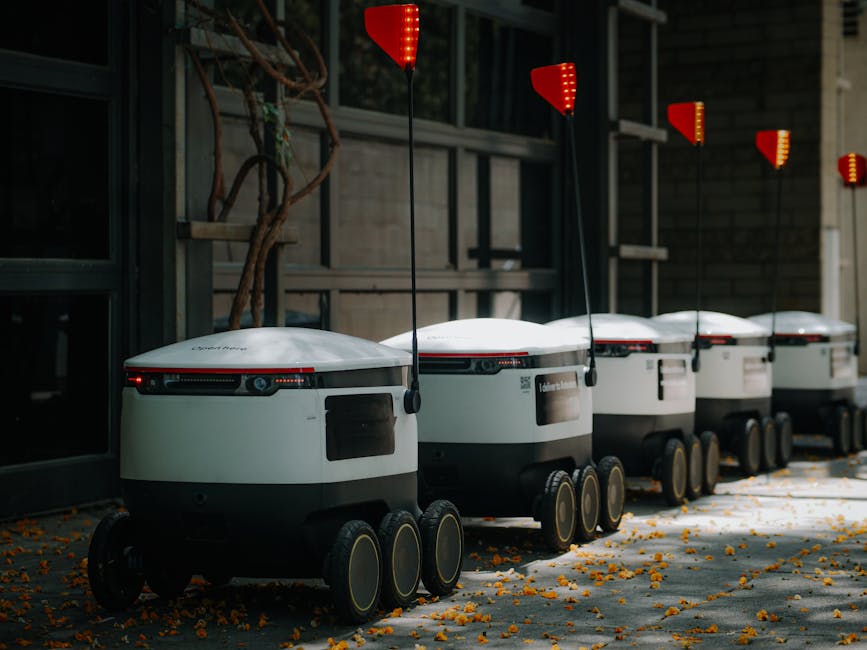
The significance of AI Fleet Transformation lies in its ability to provide data-driven insights that facilitate smarter decision-making. As we delve into this intricate subject, we aim to arm newcomers with the foundational knowledge needed to embark on this transformative journey and highlight actionable strategies for successful implementation.
What is AI Fleet Transformation?
AI Fleet Transformation refers to the systematic integration of machine learning, data analytics, and automation into fleet management practices. This paradigm shift allows organizations to leverage vast amounts of data from connected vehicles, optimizing everything from route planning and maintenance scheduling to fuel consumption and driver safety. By harnessing AI technologies, fleets can respond proactively to issues, reducing downtime and operational costs.
Why AI Fleet Transformation Matters
In today’s competitive marketplace, enhancing operational efficiency is more critical than ever. AI-driven fleet transformation allows companies to:
- Reduce operational expenses by optimizing routes and resource allocation.
- Enhance safety through predictive analytics that identify potential risks.
- Improve customer satisfaction via timely deliveries and transparency.
- Support sustainability efforts by minimizing fuel consumption and emissions.
How to Start Your AI Fleet Transformation Journey
Embarking on the path of AI Fleet Transformation may seem daunting, but with a systematic approach, it can become an achievable goal. Here are some steps to get started:
- Assess your current fleet operations and identify areas for improvement.
- Invest in IoT devices for real-time data collection.
- Consider partnering with AI solution providers, such as experts in AI development, to tailor a solution for your needs.
- Train your staff on new technologies to maximize their efficacy.
Conclusion
AI Fleet Transformation is not just an industry trend; it is a necessity for any fleet operator aiming to thrive in the modern economic landscape. By adopting this innovation, companies can significantly enhance their operational effectiveness. For those interested in advanced methodologies, exploring Intelligent Automation can provide further insights into how technology can elevate your fleet management practices.


Comments
Post a Comment