AI Fleet Operations: A Comprehensive FAQ for All Levels
As businesses increasingly embrace technology, AI Fleet Operations has become a focal point for companies seeking to optimize their transport and logistics initiatives. However, many still have burning questions about how these advancements work and can be implemented effectively. This comprehensive FAQ addresses both fundamental and advanced inquiries surrounding AI in fleet management.
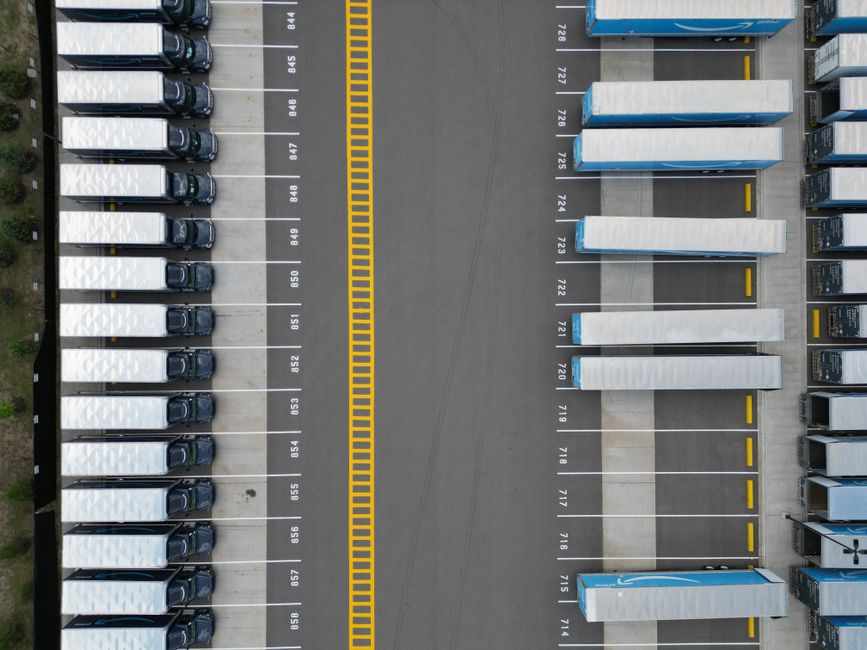
To provide clarity and insight into AI Fleet Operations, we will explore a variety of questions ranging from the basics of technology usage to the intricacies of advanced implementation strategies.
1. What is AI Fleet Operations?
AI Fleet Operations involves the integration of artificial intelligence technologies within fleet management systems to enhance performance, efficiency, and safety. This includes using machine learning algorithms to analyze data, predict outcomes, manage routes, and automate maintenance schedules.
2. How does AI improve fleet management?
AI enhances fleet management through:
- Data Analysis: Using historical data to predict future trends, helping in proactive decision-making.
- Route Optimization: Calculating the most efficient routes to reduce fuel consumption and delivery times.
- Predictive Maintenance: Anticipating vehicle issues before they occur, significantly decreasing downtime and repair costs.
3. What technologies are involved in AI Fleet Operations?
Several technologies play crucial roles in implementing AI in fleet operations:
- Telematics: Gathering real-time data from vehicles for analysis.
- IoT Devices: Enabling connectivity between vehicles and central systems for better monitoring and control.
- Machine Learning Algorithms: Allowing systems to learn from patterns and improve over time.
4. What is the cost of implementing AI Fleet Operations?
The costs can vary significantly depending on the scale of operations, current technology infrastructure, and specific needs. Typically, businesses should consider initial investments in software and hardware, as well as ongoing maintenance and updates. However, the long-term benefits often outweigh these costs, yielding savings through enhanced efficiency.
5. Are there challenges in transitioning to AI Fleet Operations?
Challenges may include:
- Resistance to Change: Employees may be hesitant to adopt new technologies.
- Data Quality: Effective AI systems require high-quality data inputs. Poor data can lead to inaccurate results.
- Integration Issues: Incorporating AI into existing processes may require overcoming significant technological and operational barriers.
6. How can businesses ensure successful AI Fleet Operations?
Businesses can consider the following strategies to facilitate successful implementation:
- Training Programs: Providing adequate training for staff on new technologies.
- Pilot Programs: Testing solutions in small-scale applications to gauge effectiveness before full-scale rollouts.
- Continuous Improvement: Regularly assessing performance and seeking innovative ways to enhance operations.
Conclusion
In conclusion, understanding and implementing Intelligent Automation within fleet operations can drastically improve efficiency, reduce operational costs, and set up an organization for future success. By addressing common questions and concerns, this guide serves to empower businesses to make informed decisions regarding AI Fleet Operations.


Comments
Post a Comment